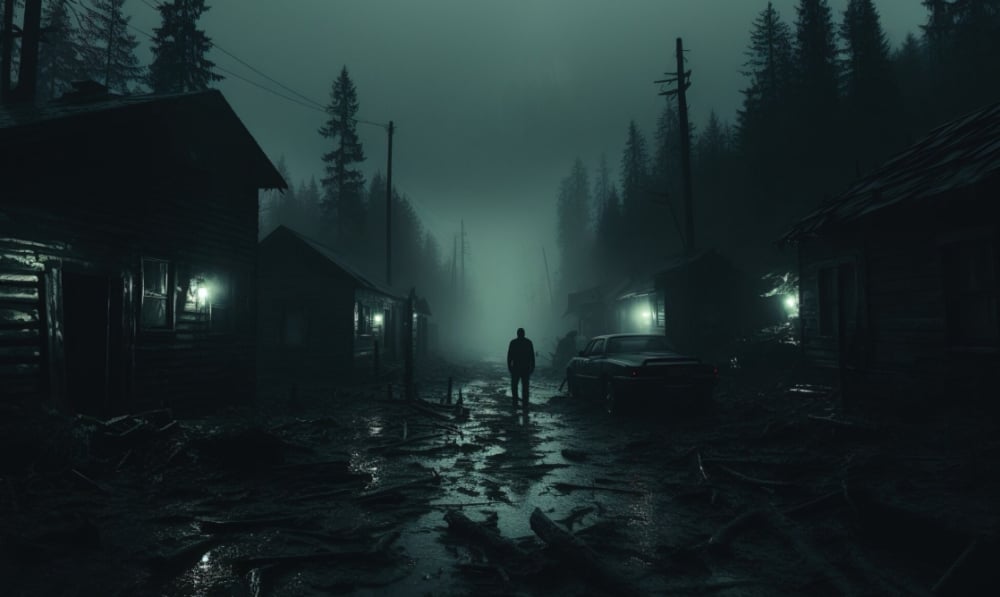
Welcome to Nocturnal Reverie Studio's blog. We explore the intricacies of creating compelling horror and suspense games. This is a space for developers and enthusiasts of atmospheric horror.
We break down specific techniques used in successful suspense games. Our posts go beyond surface-level descriptions to explore underlying design principles.
Content is created from the viewpoint of active project development. This provides realistic insights into the challenges of crafting horror.
A core focus is on constructing believable, unsettling environments for horror games. We discuss lighting, sound, and environmental storytelling in detail.
This blog serves as a chronicle and discussion platform for our journey in developing atmospheric horror projects. We document our experiments with narrative pacing, environmental storytelling, and psychological tension. Our primary goal is to understand what sustains fear and suspense games over time. We share both successes and iterative learning processes openly. This creates a transparent record of independent game development in the horror niche.
We analyze various components crucial to the horror genre, such as sound design, limited visibility, and player agency. Each post aims to isolate a single element and examine its impact on the overall experience. By focusing on suspense games, we delve into the mechanics of anticipation and release. This methodological approach helps us and our readers refine their own projects. The blog is, ultimately, a shared notebook for perfecting the art of digital fear.
A blog dedicated to the art of digital dread
The foundation of any memorable horror experience is not just what players see, but the space they inhabit. In atmospheric horror, environments are active participants in the narrative, not passive backdrops. Thoughtful level design manipulates movement, sightlines, and pacing to cultivate a deep-seated sense of vulnerability. Corridors that narrow unexpectedly or rooms with too many hidden corners can trigger instinctual discomfort. This architectural approach is crucial for transforming a simple setting into a character of its own, one that breathes with implied threat.
While immersive soundscapes are rightly praised in horror, the deliberate use of silence is an equally sophisticated tool. In the realm of suspense games, a sudden drop in audio can be more unsettling than any sting or shriek. These calculated silences create a vacuum of expectation, where the player's mind races to fill the void with imagined threats. We use these quiet moments to heighten awareness of ambient details previously drowned out, like distant dripping water or the creak of floorboards. This technique shifts the player from a passive listener to an actively paranoid participant, straining to hear the slightest sign of danger.
Beyond jumpscares and dark corridors, a potent source of lasting dread in horror is systemic. Mechanics like limited inventory, breakable weapons, and infrequent save points are foundational to a specific strain of atmospheric horror. These systems create a constant, low-grade anxiety that permeates the entire experience. Every item picked up becomes a critical decision, forcing trade-offs between healing, defense, and progress. This scarcity transforms the player's relationship with the game world, making it feel genuinely hostile and resource-starved, elevating tension far beyond scripted events.
The most compelling worlds in atmospheric horror are those that feel lived-in and abandoned in equal measure. Environmental storytelling is the art of embedding narrative into the very fabric of a space, allowing players to uncover lore through observation. A hastily set dinner table, bloodless scratches on a door, or a series of frantic journal entries scattered to the wind—these fragments invite deduction. In our projects, we treat every asset as a potential clue, building a history that players piece together themselves. This method fosters a deeper, more engaging form of discovery than any cutscene could provide.
We are a small, passionate collective based in Brasil, united by a fascination with the horror genre. Our backgrounds are diverse, spanning coding, digital art, writing, and sound design. This multidisciplinary approach shapes our unique perspective on creating suspense games. The blog was born from our need to structure and share our development philosophy. It’s an integral part of our creative process.
Our studio’s environment, infused with Brasil’s rich culture and storytelling traditions, subtly influences our work. We believe effective horror and suspense games are built on universal emotions but can be colored by unique cultural contexts. The blog allows us to explore these intersections. We are not just developers but also avid students of the genre, constantly learning. Through this platform, we hope to connect with a global community that shares our passion for atmospheric horror.
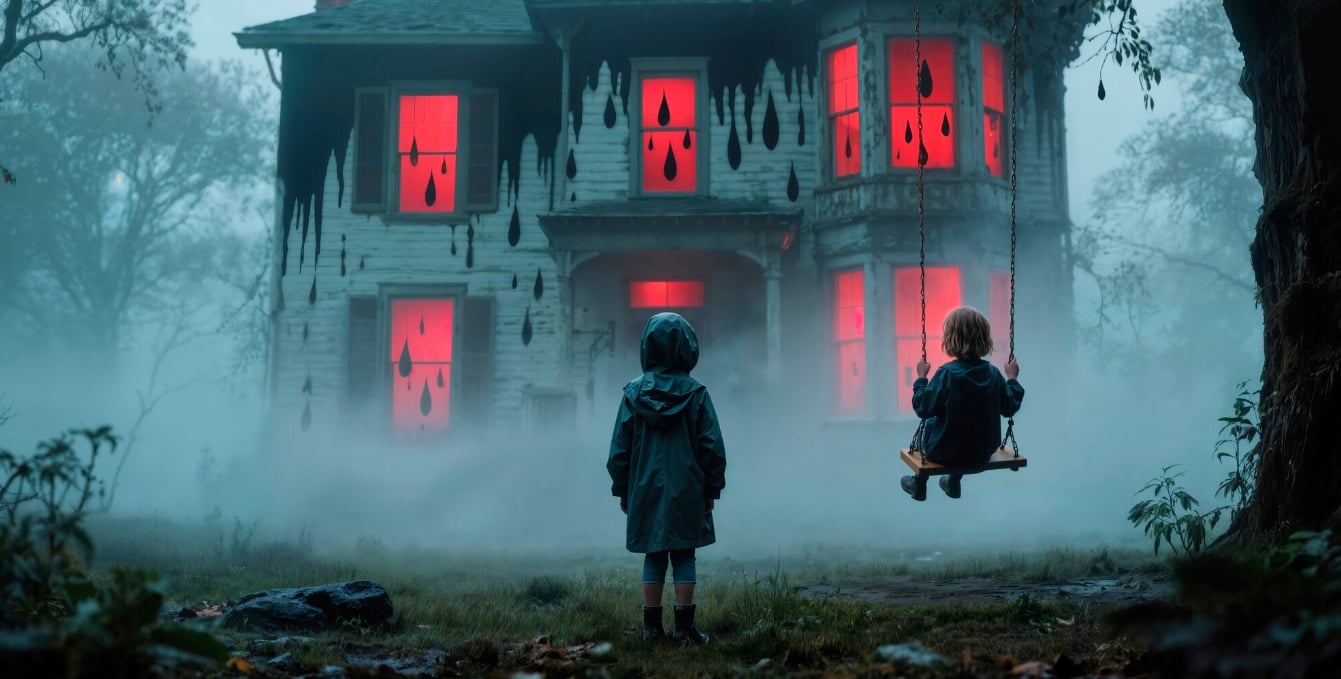
Our content is forged in the ongoing process of creation, not just theory.
We write from the trenches of active game development, facing the same challenges our readers might. Every insight on horror or suspense games is tested in our own projects first.
Our transparency about both breakthroughs and setbacks adds credibility. We avoid grand promises, focusing instead on documented processes and reasoned analysis. This practical, hands-on approach forms the foundation of the trust we've built with our audience.
Atmospheric horror prioritizes mood, environment, and psychological tension over overt jump scares or action. It builds a pervasive sense of dread through sound, visuals, and pacing. Suspense games often fall under this umbrella, focusing on anticipation and the fear of the unknown.
It is fundamental. Sound sets the emotional tone and can manipulate a player's perception of safety. Carefully crafted audio is often the most effective tool for building tension in horror and suspense games.
Yes, but always through the lens of the horror genre. We discuss technical implementation of features like dynamic lighting or audio occlusion when it directly serves to enhance fear or atmosphere.
We are always open to topic suggestions from the community. While the core writing is done by our team, guest posts from experienced developers in the horror space are considered.
Maintaining a consistent level of engagement and tension without causing player fatigue. Balancing pacing so that suspense games have peaks and valleys is crucial for a satisfying experience.
Marina S.
David L.
Akira T.
Our mission is to methodically explore and demystify the creation of compelling horror experiences. We believe that fear and suspense are powerful, complex emotions worthy of serious creative inquiry. Through this blog, we aim to build a repository of knowledge focused purely on the mechanics of atmospheric horror and suspense games. We document our journey to help others navigate the unique challenges of this niche. Ultimately, we strive to elevate the artistic and technical standards of the genre.
We are committed to fostering a community where developers and enthusiasts can dissect what makes horror effective. This involves moving beyond clichés and examining the psychological underpinnings of tension and dread. By sharing our process, we hope to inspire more nuanced and memorable horror and suspense games. Our location in Brasil reminds us that compelling stories can emerge from any culture. The mission, therefore, is also to broaden the perspectives and narratives found within the global landscape of horror game development.